119. Common Cause Ohio and the struggle for accountability
Neil Clark’s perspective as a lobbyist revealed the pervasive influence of money in politics. By wearing a “DeWine for Governor” t-shirt when he died by suicide, Clark appeared to question why lobbyists and others were being prosecuted for actions that were common throughout Ohio’s political system. The distinction between legitimate lobbying and illegal “pay-to-play” schemes is nearly indistinguishable, a point emphasized in Larry Householder’s appeals.
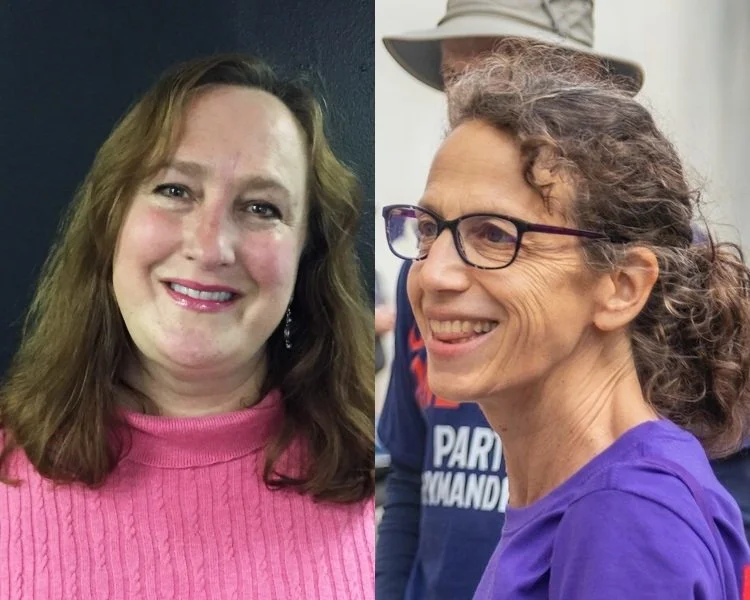
Today, we talk with Catherine Turcer, executive director, and Mia Lewis, associate director, of Common Cause Ohio about dark money and its role in politics.
Dark money refers to undisclosed or secret financial contributions, often routed through various nonprofits to obscure the funding source. With the U.S. Supreme Court’s 2010 decision in Citizens United v. FEC, corporations and nonprofits were permitted to make campaign contributions under the rationale they were exercising their First Amendment rights. The result is more money is now poured into campaigns.
Though the Supreme Court recognized the public benefit of disclosure, both federal and state governments have been slow to implement effective transparency measures. The lack of disclosure allows unethical practices to thrive in secrecy, emphasizing the need to identify and reveal the true sources of campaign funds.
Political action committees, also known as PACs, are required to file with governmental agencies like the Secretary of State or the Federal Election Commission and provide official records of their activities. In contrast, nonprofits can be formed for short-term political advocacy and not register.
Effective disclosure laws can reduce the amount of money in politics and ensure that political advertisements and campaigns are held to higher standards. Corporate donors, for example, might avoid contributing to contentious issues if their support is made public, which can influence the tone and integrity of political messaging. Disclosure empowers voters by revealing who is attempting to sway elections and why, fostering informed decision-making.
Listen to the conversation.