121. A comparison of Brazilian and American education systems
As part of a reciprocal exchange sponsored by the Columbus Rotary Club, educators from São Paulo, Brazil, were welcomed to Ohio. This group included college professors and English teachers at both primary and secondary levels. Their itinerary included visits to several public and private schools.
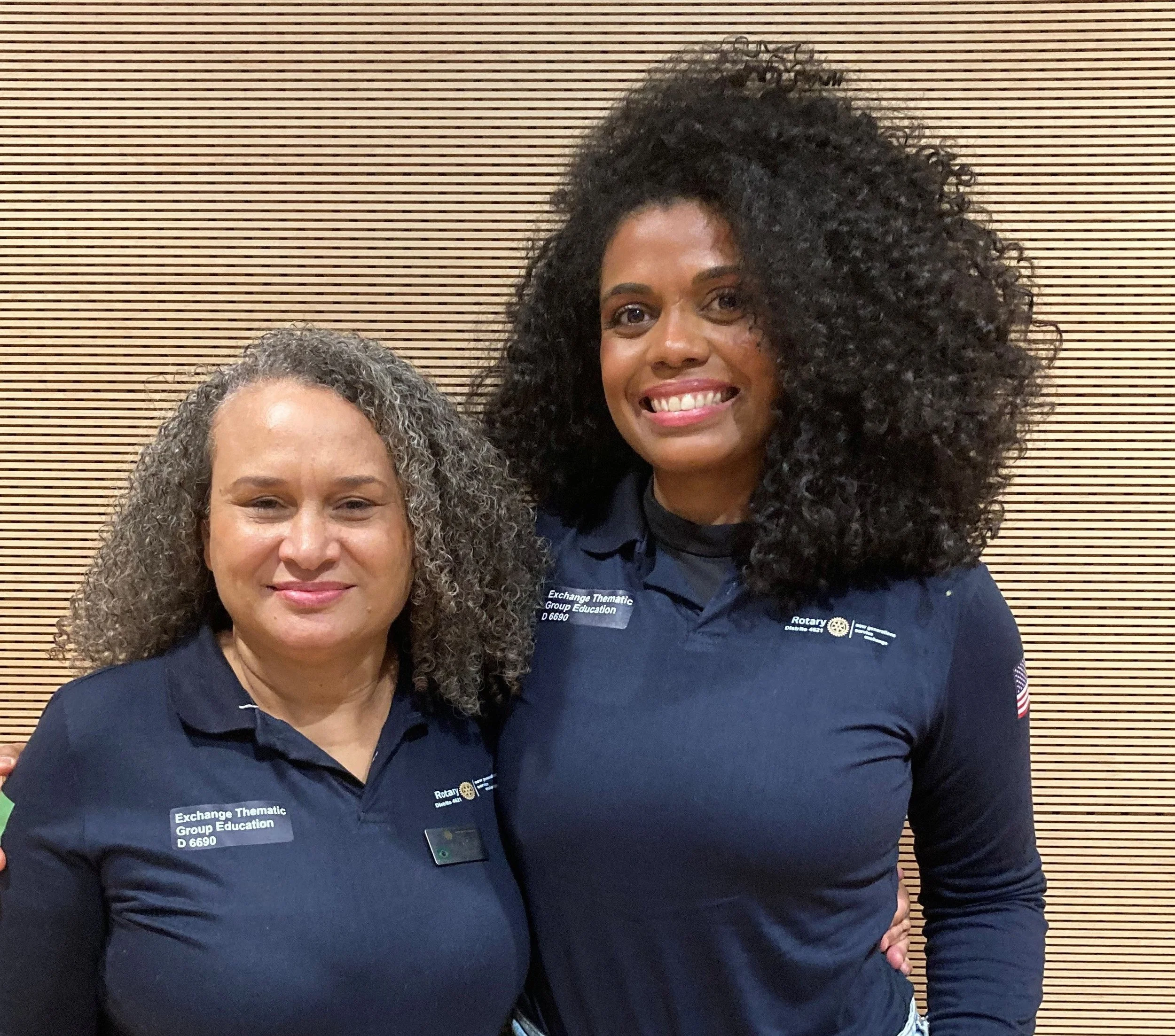
We talk with two of the educators, Amanda Piovezani and Elaine Berges. Tracy Najera, a previous podcast guest and Rotarian, joined us.
Amanda and Elaine observed that while multilingualism is common in Europe due to proximity to various countries, it is less prevalent in the United States. They were impressed by several aspects of American education, particularly in career schools where hands-on learning and partnerships with community organizations and companies are emphasized.
One standout observation was the prevalence and integration of the arts in American schools. Amanda admired how art is used to cultivate critical thinking and emotional intelligence, especially among younger students. Both Amanda and Elaine discussed how engaging in art allows students to think creatively and empathetically, fostering essential soft skills such as teamwork and communication.
In both countries, there are legal requirements to provide support for students with special needs. In Brazil, an assistant is assigned to any student with a diagnosed disorder, particularly in public schools, to ensure personalized support. The Brazilian visitors were struck by the smaller class sizes in American public schools compared to Brazil, particularly at the elementary level.
Both countries face challenges with student distractions, particularly regarding cell phone use. Recent legislation in Brazil has prohibited cell phones in primary and high schools, with exceptions for health-related needs. This change was credited with improving students’ social and motor skills, as they engaged more in physical activities and social interactions during breaks.
While it is common in Ohio for schools to have uniformed police officers present, this is not the practice in Brazil. There, police may patrol school neighborhoods but do not typically enter schools unless there is an emergency. The Brazilian educators expressed surprise at the American practice of arming teachers and the prevalence of discussions around gun violence in schools.
The educators discussed how American schools are funded primarily through property taxes, a system that often results in wealthier areas having more resources. In contrast, Brazilian elementary and high schools are funded by municipal governments, while colleges are supported by state or federal funding. Public education in Brazil, including universities, is entirely free.