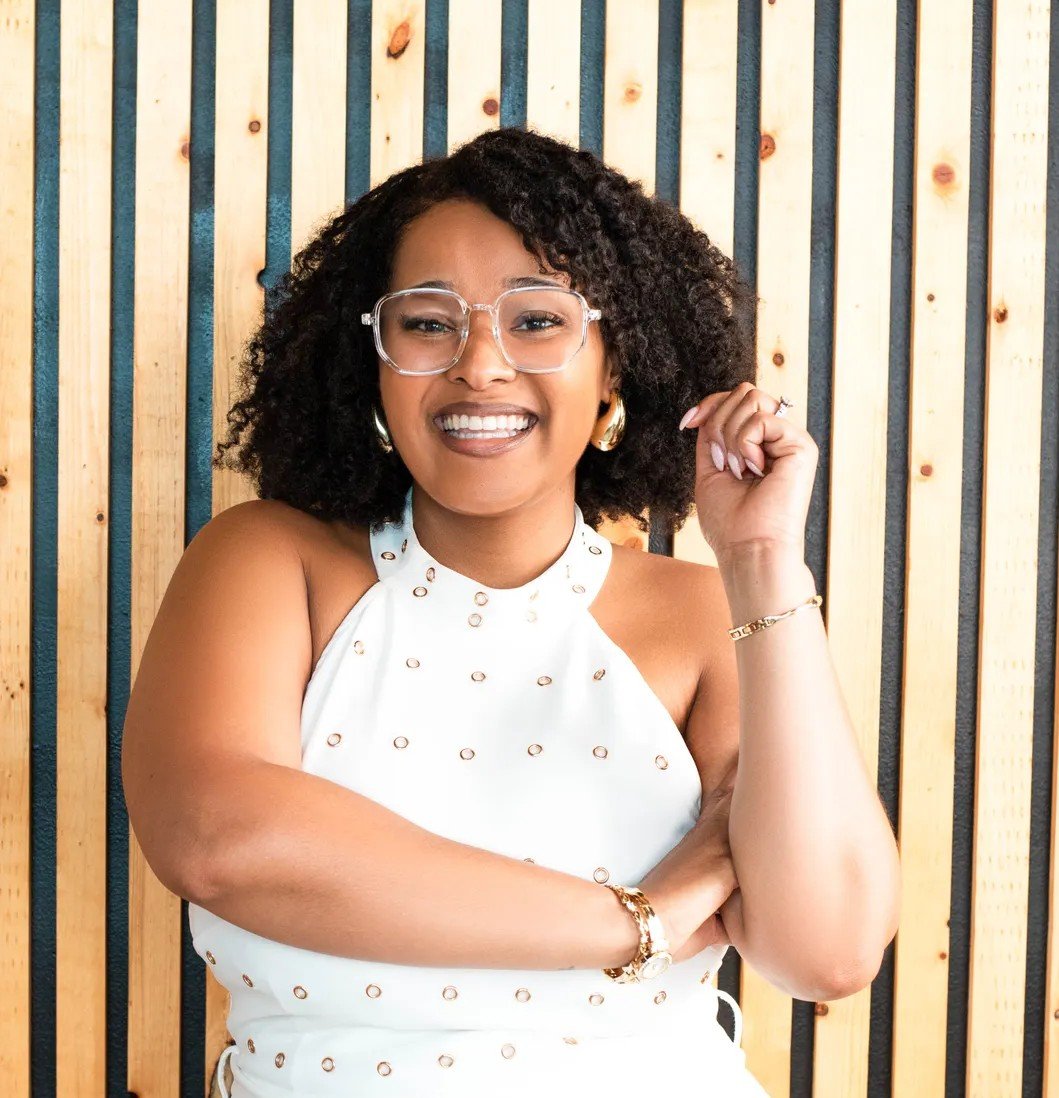
122. One woman's effort to reduce the number of incarcerated Blacks
While only about 13% of the nation’s population is Black, the percentage of incarcerated Blacks can be as high as 50 %. The proportion of Black men on death row is significantly higher than that of whites.
Our guest, Courtney Teasley, a criminal defense lawyer, emphasizes the responsibility that defense attorneys have in contributing to incarceration rates. Some lawyers fail to communicate with clients, push plea deals without proper consultation, and neglect to use available court resources or file necessary motions.
This lack of diligence can result in missed opportunities for discovering evidence that could change the outcome of a trial. Courtney stresses that defense lawyers should fight for their clients and not simply “go along to get along,” especially in smaller counties where maintaining good relationships with judges is common practice.
Courtney described the DAMM community—Disproportionately Affected Marginalized Minority—as the primary demographic impacted by incarceration. Systemic factors such as inadequate education in financial literacy, criminal justice literacy, and civics contribute to this problem. Many individuals are not taught their rights or how to hold government officials accountable, nor are they given the tools to pursue financial stability beyond low-wage jobs.
These gaps leave people vulnerable to crimes of poverty and ill-equipped to navigate the legal system if accused. Having financial means, legal knowledge, and civic understanding provides leverage and empowerment, but these advantages are often unavailable in marginalized communities.
Courtney’s initiatives focus on legal literacy, financial literacy, and civics. She teaches these subjects through mock trial programs at high-priority schools and at HBCUs, aiming to address the lack of foundational legal knowledge. Her company, emeffen, advocates the power of Mindset, Finesse, and Non-Negotiable Boundaries, and is dedicated to advocacy training and lawyer coaching.
Courtney also discussed the school-to-prison pipeline, which refers to the disproportionate punishment of Black students in schools, which leads to higher rates of suspension and disciplinary actions that can lead to the juvenile justice system.
She advocates for empowering students through education in legal literacy, civics, and financial skills, noting that access to such knowledge and opportunities is often limited. Programs and curricula she develops aim to bridge these gaps and provide students with tools for legal and financial empowerment.
Ultimately, the need for competent, passionate lawyers in criminal defense is critical. The goal is not necessarily to achieve acquittals for all clients, but to ensure the state proves its case and to minimize negative impacts on individuals’ records and communities. Creative solutions, rehabilitation, and strategic partnerships are encouraged to address root causes of crime and support long-term positive outcomes.